
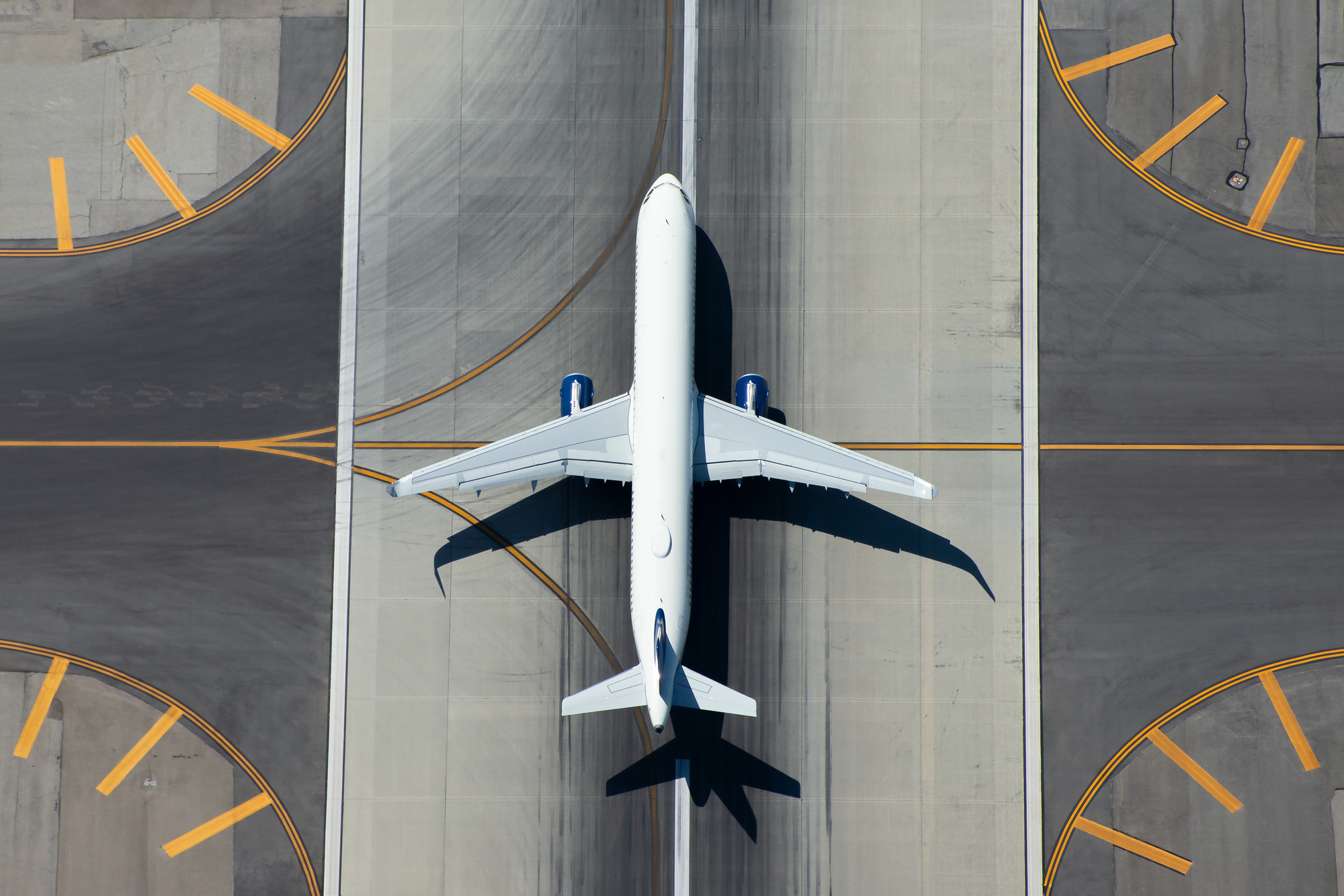
Aircraft today are much more fuel-efficient and have better performance than older planes from just a few decades ago. There are several important reasons new aircraft use less fuel, produce fewer emissions, carry more passengers and cargo, and fly greater distances compared to the past. New plane designs and next-generation aviation technologies make modern aircraft remarkably more efficient.
New Aerodynamic Designs
One major way that aircraft have become far more efficient is through improved aerodynamic design. Aerodynamics refers to how air flows over the aircraft body, wings, tail, and other surfaces during flight phases. Today’s widebody passenger jets like the Boeing 787 and Airbus A350 have incredibly smooth and aerodynamic fuselages (main bodies) and wings. The highly improved shapes create much less drag during flight, which directly reduces engine fuel burn needed to overcome that drag force.
In addition, wings on newer generation planes now include modern winglets, raked wingtips, and other design features. These features further improve airflow over the wings and reduce turbulence and drag. The resulting lift to drag ratio is higher, meaning there is less frictional drag holding the plane back as it flies. The engines don’t have to work as hard throughout climb, cruise, and descent portions of flights.
Lighter and Stronger Composite Materials
Aircraft engineers are increasingly using lighter and stronger composite materials to build many structural parts of today’s passenger planes versus the mainly aluminum planes of the past. Composites used on modern aircraft include carbon fiber reinforced plastics and other high-tech blended materials that incorporate carbon, glass, aramid, and other synthetic fibers embedded into plastic resin matrices.
According to the folk at Aerodine Composites, these aircraft composite technologies weigh substantially less than metal parts of the same strength and stiffness. The much lighter overall airframe and components mean the entire aircraft also uses considerably less fuel to fly the same routes compared to heavier metal planes. Composites are also more resistant to fatigue, corrosion, and damage compared to metals like aluminum. This improves durability and reduces maintenance costs over decades of demanding airline operation.
More Efficient Jet Engine Designs
Besides airframe improvements, jet engine technology has seen major advances over decades of development. Modern high bypass turbofan engines used on airliners burn fuel about 25-30% more efficiently than decades past. They create significantly more thrust from less fuel consumed compared to earlier low bypass turbojet and turbofan designs.
Some next-gen engine designs also incorporate features like swept-back fan blades and outlet guide vanes to reduce internal turbulence losses and improve bypass airflows. High-temperature materials in the compressors and turbines also enable higher pressure ratios that translate to better fuel efficiency. Airlines save exponentially on fuel costs over years of flights by operating planes equipped with the latest and most fuel-efficient modern turbofan engines.
Advanced Avionics and Flight Systems
Additionally, the advanced avionics systems and flight controls onboard the newest generation of aircraft have become far more automated, computerized, and efficient. Digital fly-by-wire flight control computers combined with glass panel touchscreen cockpit displays provide integrated guidance that allows planes to fly precise, fuel-efficient flight profiles.
The advanced software systems include Flight Management Systems (FMS) that calculate and display highly accurate minimum fuel burn routings between airports while considering forecast winds aloft, temperatures, terrain, and aircraft weight parameters. Airlines use this software with company algorithms to optimize routes across their networks.
Conclusion
From advanced carbon-reinforced composite technologies to fully integrated flight planning and management systems, aircraft are much more efficient today compared to even two to three decades past. Airlines realize major savings from reduced fuel costs while also shrinking their environmental footprint through burning less fuel and lowering emissions.
Author

bruce-thomas@bigbusinessmagazine.com