
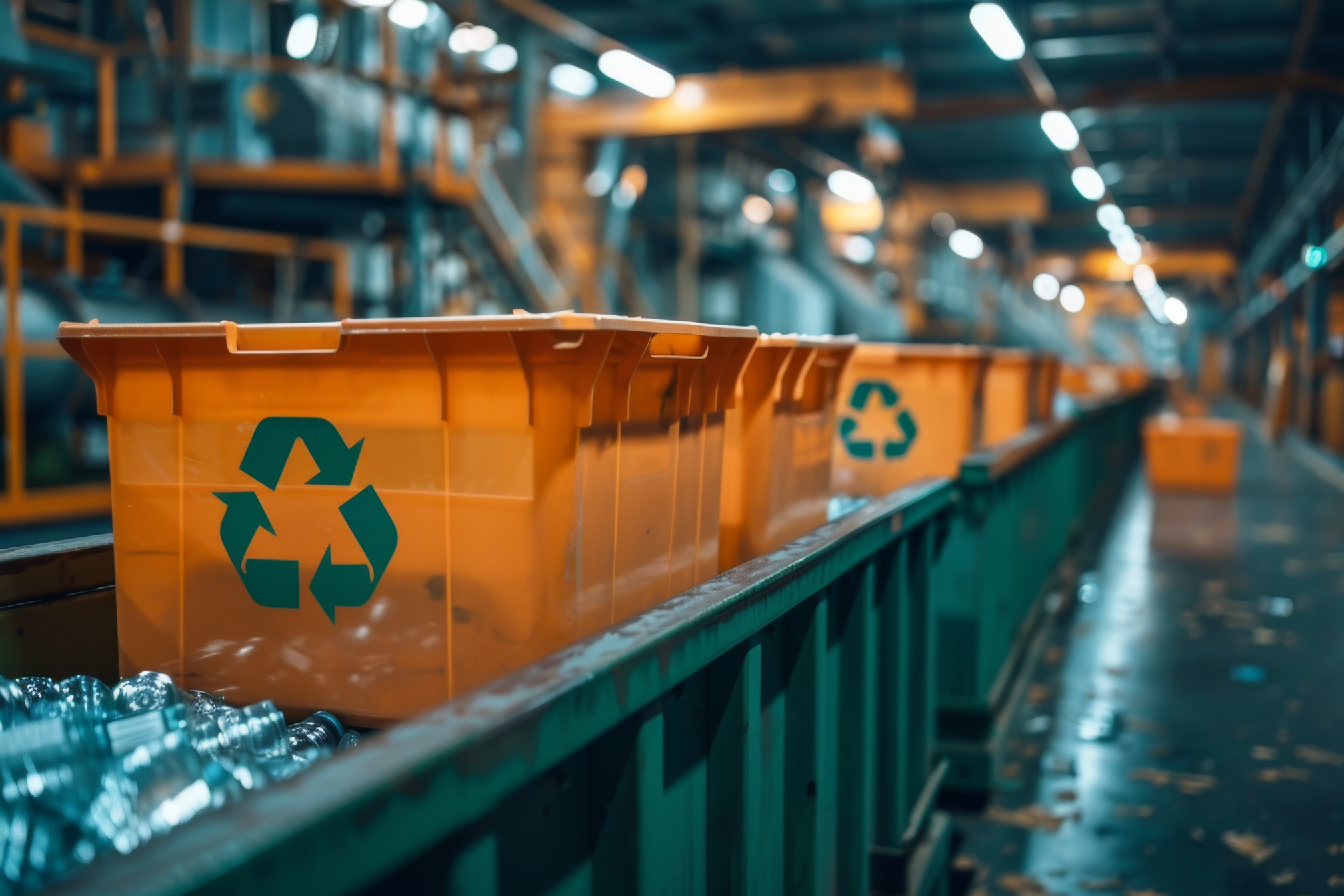
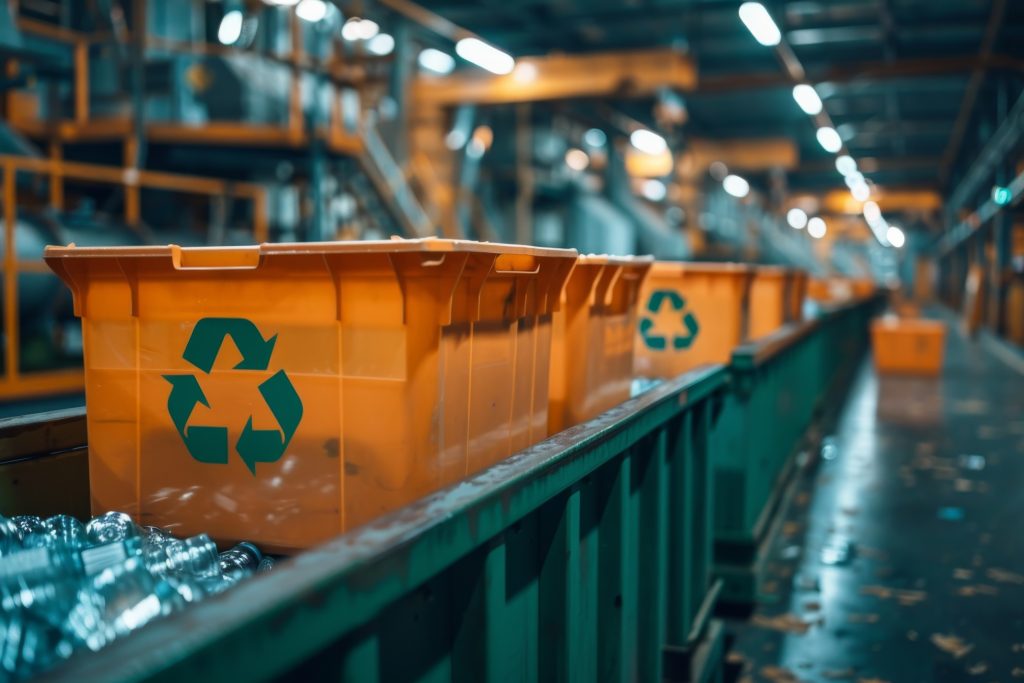
When people talk about the failures of plastic recycling, they are almost always referring to consumer plastic recycling. There is another side of the coin: industrial plastic recycling. The thing about industrial recycling is that it is largely successful. So why do companies like Seraphim Plastics succeed at industrial recycling but local communities seem to struggle with consumer recycling?
The dividing line between success and failure lies in the differences between the two types of plastics. Anyone who understands those differences also understands why industrial recycling succeeds but consumer recycling does not.
The Source of Plastic Waste
The defining difference between industrial and consumer plastic waste is the source. Also known as post-industrial plastics, industrial plastic waste is waste produced by commercial operations. For example, a manufacturer of plastic parts generates waste through injection mold manufacturing. That waste is considered post-industrial plastic waste.
Consumer plastic waste, also known as post-consumer plastic, is waste generated by consumers. When you finish that takeout meal that came in a plastic container, the container itself becomes waste. You throw it in the trash can or curbside recycling bin. Most of the time, it goes in the trash.
Here is the interesting thing: PET plastic waste is exactly the same whether it is generated by a company or a consumer. Likewise for any other type of plastic. Therefore, the differences in recycling programs have nothing to do with the plastic itself. It is all in waste production and its aftermath. How people produce waste impacts how that waste gets recycled.
Consumer Plastic Recycling
Consumer plastic recycling is based on a mechanical approach. Plastic waste is collected, sorted, and then mechanically transformed into a material that can go back into making new plastic products. The biggest key to doing it successfully is keeping plastics separate from one another and free of contamination.
Separation is a matter of knowing what type of plastic you are dealing with. The recycling numbers found on plastic products are there for just that reason. Consumers need to know what types of plastic they have because recyclers in their community only accept certain types.
As far as contamination is concerned, it is public enemy #1. Even a minor amount of contamination can spoil an entire truckload and force it to be sent to the landfill. This explains why municipal recycling programs continually remind consumers to rinse out plastics before throwing them in the bin.
Industrial Plastic Recycling
Industrial plastic recycling can be addressed either mechanically or chemically. Mechanical recycling is by far the more popular choice. Companies like Seraphim Plastics acquire industrial plastic scrap from producers and utilize mechanical processes to turn that scrap into a marketable product known as regrind.
Here’s the big difference: industrial plastic recyclers do not sort and clean. They leave that to waste producers. When a company contacts Seraphim to have them pick up a load of plastic dunnage trays, the trays have already been separated from other materials and cleaned. All Seraphim needs to do is pick up the load and take it back to their processing facility for grinding.
Same Process, Different Players
Comparing industrial and consumer plastic recycling side-by-side reveals something interesting: you have the same process but different players. How each of the players participates determines the success of a given recycling plan.
Knowing all of this, it should be pretty clear why industrial plastic recycling is largely successful while consumer recycling continues to falter. We could actually make both viable if we were willing to change the way we do things. But that is another topic for another post.
Author

bruce-thomas@bigbusinessmagazine.com