

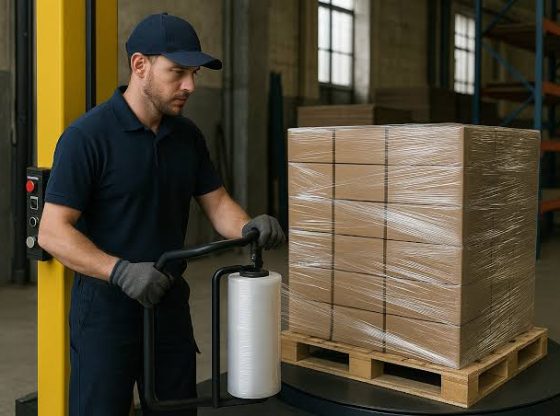

The product isn’t finished after it comes off the production line. It’s in many ways the beginning of the real challenge. Packaging needs to serve as a barrier to the product throughout the entire journey from the warehouse, distribution center, trucks, ships, to the retail shelf. Even when it is made correctly, a product can end up damaged upon delivery, resulting in customer complaints, product loss and damage to the company’s reputation.
That’s why packaging reliability engineering is a high priority for the manufacturers in every industry. Companies now look at packaging as a system that must be able to handle the physical stress, the environment and the distance involved in transporting it. It’s easy to state, but it’s more complicated to achieve: deliver products to customers as they are made.
Why Packaging Reliability Matters in Modern Supply Chains
Products are subject to a variety of conditions along their global supply chains. Packages can be loaded and unloaded multiple times, vibrated, hit with a sudden impact, stacked and subjected to temperature and humidity changes. If not properly engineered, these can negatively affect the package and the product being packaged.
Packaging quality inspection is here which is crucial in the quality assurance process. It confirms that packaging materials, sealing process, labelling, package strength and appearance comply with quality standards. Manufacturers identify weaknesses before products are shipped, minimizing the likelihood of damage during shipment and enhancing customer satisfaction as well as compliance with the regulations.
Key Tests Used in Packaging Reliability Engineering
A visual inspection is not the only way to ensure the reliability of packaging. Many technical tests are conducted by engineers to gain insight into the behavior of packaging in actual transportation and storage conditions. These assessments enable manufacturers to make better package designs prior to product launch.
- Compression Testing: Tests the ability of a package to resist compression during storage and transportation.
- Drop Testing: Simulates an “at with fall” to test product protection.
- Vibration Testing: Proves the vehicle’s weaknesses by using repeated vibrations.
- Seal Integrity Testing: Ensures that seals don’t break during transport and handling.
- Environmental Testing: Tests the ability of packages to withstand different temperatures and humidity conditions.
- Material Strength Analysis: Measures the strength of cartons, plastic containers, protective inserts and cushioning materials.
These tests yield engineering information which is useful in making materials more durable for manufacturers and allowing them to use materials more efficiently. A good packaging design helps to minimize product damage as well as replacement and warranty costs.
Engineering Principles Behind Reliable Packaging
Reliable packaging is done through a combination of protection, efficiency and sustainability. In designing packaging, engineers are challenged to do two tasks: ensure the package can withstand the product in all respects, but not use any more material than is necessary in order to reduce shipping costs. All design choices have an impact on the performance of the logistics process, storage efficiency and customer experience.
Product properties are also taken into account in modern packaging engineering. Electronic equipment, pharmaceuticals, cosmetics, food and industrial equipment all have their own protection requirements. Choosing the right cushioning materials, container designs and sealing technologies for an effective packaging solution throughout the supply chain.
Common Challenges in Transit Performance
Although packaging technology has a good development in the packaging industry, there are still some problems that manufacturers are facing. Frequently, goods are moved from one country to another through various carriers and each one has its own methods and techniques. Repeated transshipment can cause a risk of impact damage and fatigue in packaging.
Ecommerce distribution is a new challenge. Individual parcels are used much more often than bulk shipments that leads to more exposure to compression, drops and rough handling. Meanwhile, businesses are striving to minimise packaging clutter through lighter and eco-friendly packaging. The balance of environmental concerns with the durability of the package needs to be constantly tested and engineered.
Why Transit Testing Is Becoming More Critical
The bar for customer expectations is up and there is no more tolerance for damage in deliveries. One broken shipment can lead to returns, negative reviews, replacement expenses and loss of consumer confidence. The first step in eliminating these problems is to understand the performance of packaging in the real transportation system, outside the factory.
Transit performance testing allows manufacturers to have confidence in packaging designs that they can survive the real distribution environment. Companies won’t make assumptions, but rather make decisions based on measurable data, which helps improve product protection while reducing long-term operational costs.
Conclusion
Packaging reliability engineering is not confined to the use of robust materials. It uses engineering analysis, lab testing, logistics information and ongoing quality improvement to insure that products are fully protected from the production line to delivery. Businesses that prioritize good packaging solutions not only enhance operational efficiency but also improve customer trust.
Pre-shipment inspection is a final quality check before products are made available in the international distribution network, which not only verifies packaging, labeling and finished goods quality, but also plays a crucial role in the distribution of goods. When paired with strong engineering practices, it decreases shipping risks, regulatory compliance and guarantees that products arrive at the customer’s doorstep safely and in top condition.