
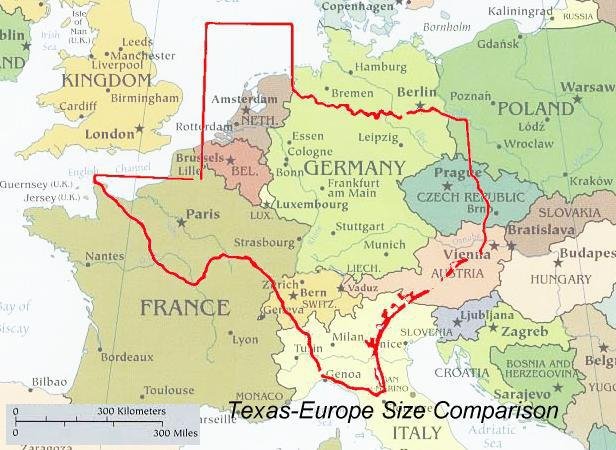
Texas and Europe differ in more ways than one. From culture to landscapes, these two regions offer unique experiences for travelers. While Texas boasts vast open spaces and a rich cowboy heritage, Europe charms with its historic landmarks and diverse cuisines. Exploring the contrasts between Texas and Europe reveals a fascinating juxtaposition of modernity and tradition. Whether you prefer the southern hospitality of Texas or the romantic allure of Europe, both destinations promise unforgettable adventures. Let’s dive deeper into the intriguing world of Texas compared to Europe.

Texas Compared to Europe: Exploring the Differences and Similarities
Welcome, explorers! Today, we are embarking on a journey to compare the vast landscapes of Texas with the diverse regions of Europe. While these two places may seem worlds apart, they share some intriguing similarities and differences that are worth exploring. So, buckle up and get ready to uncover the unique charms of Texas and Europe!
Geography and Size
Let’s kick off our comparison by looking at the geography and size of Texas and Europe. Texas, known for its sprawling deserts, vibrant cities, and lush forests, is the second-largest state in the United States. Covering over 268,000 square miles, Texas is so massive that it could fit multiple European countries within its borders.
In contrast, Europe is a continent comprising 44 countries, each with its own distinct culture and landscape. From the snowy mountains of Switzerland to the sunny beaches of Spain, Europe offers a diverse range of climates and terrains. Despite being smaller in size compared to Texas, Europe’s rich history and cultural heritage make it a fascinating destination for travelers.
Climate and Weather
When it comes to climate and weather, both Texas and Europe experience a wide range of conditions throughout the year. Texas is known for its hot summers, mild winters, and occasional hurricanes. In contrast, Europe’s climate varies from Mediterranean in the south to subarctic in the north, offering something for everyone, whether you prefer sunbathing on the beaches of Greece or skiing in the Alps.
One key difference between Texas and Europe is the presence of distinct seasons in Europe, with spring blooms, warm summers, colorful autumns, and snowy winters. In Texas, the seasons are less defined, with the state often experiencing long periods of hot weather interrupted by sporadic cold fronts.
Culture and Lifestyle
Now, let’s dive into the vibrant cultures and lifestyles of Texas and Europe. Texas, known for its cowboy culture, Tex-Mex cuisine, and Southern hospitality, offers a unique blend of traditions influenced by Native American, Mexican, and Western roots. From rodeos to BBQ cook-offs, Texas prides itself on its larger-than-life personality and friendly locals.
On the other hand, Europe boasts a rich tapestry of cultures, languages, and customs, shaped by centuries of history and conquests. Whether you’re exploring the ancient ruins of Rome, sipping coffee at a Parisian cafe, or dancing to traditional folk music in Ireland, Europe offers a kaleidoscope of experiences for visitors to enjoy.
Food and Cuisine
No comparison between Texas and Europe would be complete without discussing the mouthwatering cuisines that both regions have to offer. In Texas, you can feast on juicy BBQ brisket, savor spicy chili con carne, and indulge in sweet pecan pie. Tex-Mex dishes like tacos, enchiladas, and guacamole are also popular staples in the Lone Star State.
Meanwhile, Europe is a food lover’s paradise, with each country boasting its own culinary delights. From savory pastries in France to hearty sausages in Germany and fresh seafood in Italy, Europe offers a delectable array of flavors to tantalize your taste buds. Don’t forget to try traditional dishes like paella in Spain, schnitzel in Austria, and moussaka in Greece!
Architecture and Landmarks
Architecture buffs will be delighted to discover the stunning buildings and landmarks that grace both Texas and Europe. In Texas, you can marvel at the towering skyscrapers of Houston, the historic missions of San Antonio, and the charming Victorian homes of Galveston. The state’s blend of modern and traditional architecture reflects its diverse heritage and booming economy.
On the other side of the pond, Europe boasts an impressive array of architectural wonders, from the iconic Eiffel Tower in Paris to the ancient Roman Colosseum in Rome. Gothic cathedrals, medieval castles, and modern marvels like the Guggenheim Museum in Bilbao showcase Europe’s rich architectural history and innovative design.
Transportation and Infrastructure
When it comes to getting around, both Texas and Europe offer a range of transportation options to suit your travel needs. In Texas, highways crisscross the state, making road trips a popular way to explore its vast landscapes. From bustling cities like Dallas and Austin to charming small towns like Fredericksburg, Texas offers a diverse array of destinations accessible by car.
Similarly, Europe boasts an extensive network of trains, buses, and planes that make it easy to travel between countries and cities. High-speed trains like the Eurostar and TGV whisk passengers across borders in a matter of hours, while budget airlines offer affordable flights for those seeking to hop between European capitals. Whether you’re exploring the quaint villages of Provence or the cosmopolitan streets of London, Europe’s efficient transportation system makes it a breeze to get around.
Conclusion: Embracing the Contrasts
As we conclude our exploration of Texas and Europe, it’s clear that these two regions offer a tantalizing mix of contrasts and similarities for travelers to discover. Whether you’re drawn to the rugged charm of Texas or the timeless beauty of Europe, each destination has its own unique appeal that is sure to captivate your imagination.
So, whether you find yourself strolling along the Riverwalk in San Antonio or wandering the cobblestone streets of Prague, take a moment to savor the cultural richness and natural beauty that both Texas and Europe have to offer. Embrace the contrasts, celebrate the similarities, and embark on a journey of discovery that will leave you forever changed.
Happy travels!
Texas vs United Kingdom size comparison #texas #uk #europe #geography #shorts #mapping #map #viral
Frequently Asked Questions
How does Texas differ from Europe in terms of size and population?
Texas is significantly larger in land area compared to most European countries. While Texas covers approximately 268,596 square miles, many European countries are much smaller in size. In terms of population, Europe as a continent is more densely populated than Texas. The population density in many European countries is higher due to their smaller land area.
What are the major climate differences between Texas and Europe?
Generally, Texas experiences a more diverse range of climates compared to Europe. Texas has regions with hot summers and mild winters, while certain parts of Europe have a more temperate climate with distinct seasons. Additionally, Europe has countries that experience colder winters and milder summers in comparison to the warmer climate found in Texas.
How do the cultural differences between Texas and Europe manifest?
The cultural differences between Texas and Europe are vast. Texas has a unique blend of Southern, Western, and Hispanic cultures that influence its traditions, food, and lifestyle. In contrast, Europe is known for its diverse cultures stemming from centuries of history and influences from various civilizations. European countries have distinct languages, cuisines, and traditions that set them apart from the Texan culture.
Final Thoughts
Texas offers a unique blend of American culture and southern hospitality. When compared to Europe, Texas stands out for its vast open spaces, cowboy culture, and diverse landscapes. Visitors can experience the charm of small towns, the excitement of big cities, and the beauty of nature all in one state. Whether exploring historic sites or indulging in Texan cuisine, the Lone Star State provides a memorable experience. Texas truly offers a distinctive perspective that differs from the traditional European destinations.
Author

bruce-thomas@bigbusinessmagazine.com
Related Posts

What to Look for in a Compliance Management Service Provider in 2026
Regulations are changing faster than ever in 2026. They impact every part of a business—labour laws, taxation, data protection, environmental rules, and…

Delightful Nerd Ropes: A Sweet Journey Of Flavors
"Want to satisfy your sweet tooth with a quirky twist? Enter nerd ropes. These colorful, tangy treats have taken the candy world...
Read out allExploring The World Of The Milf Breeder
Yes, a 'milf breeder' does exist. They are rare, elusive, and shrouded in mystery. These individuals possess a unique ability to attract...
Read out all
Glamorous Bedazzled Wigs: Sparkle & Style Guide
Bedazzled wigs? Sparkle and glam effortlessly merge in this latest hair trend. Imagine strands drenched in shimmering crystals, catching every ray of…
Read out all
Converting 3.5Mm To Inches: Quick Guide
Curious about converting 3.5mm to inches? It's a common need, especially in the world of technology and measurements. Here's a quick tip:...
Read out all
Essential Guide To Piedmont Electric Services
Looking to power up your home with reliable energy solutions? Piedmont Electric has got you covered. Nestled in the heart of North...
Read out all