

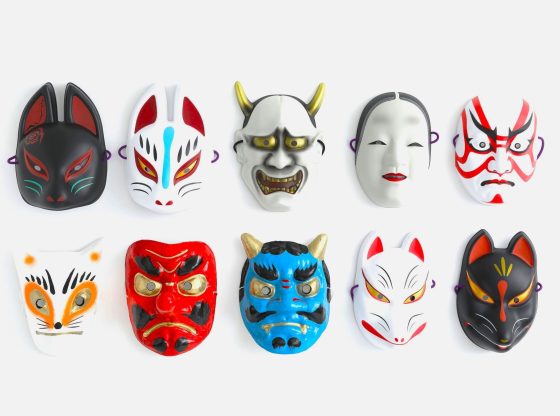

Japanese masks have long held a mysterious allure, captivating both locals and visitors alike. These intricately designed pieces of art serve various purposes, embodying tradition, culture, and spirituality. From Noh theater masks to the iconic Hannya mask, each has a unique story to tell. Exploring the world of Japanese masks unveils a rich tapestry of history and symbolism, inviting us to delve deeper into the fascinating realms of Japanese culture. Step into a realm where ancient myths and modern creativity intertwine seamlessly with the enigmatic beauty of Japanese masks.

Exploring the Intriguing World of Japanese Masks
Welcome to a fascinating journey into the captivating realm of Japanese masks. These traditional art forms hold a rich cultural significance and continue to intrigue people around the world with their unique designs and symbolism. In this blog post, we will delve deep into the history, types, and cultural significance of Japanese masks. Let’s uncover the secrets behind these intriguing creations!
The History of Japanese Masks
Japanese masks have a long and storied history that dates back centuries. They have been an integral part of Japanese culture, used in various rituals, performances, and festivals. The origins of Japanese masks can be traced back to ancient religious practices and theatrical performances.
One of the most well-known types of Japanese masks is the Noh mask, which is used in traditional Japanese theater known as Noh drama. These masks are intricately crafted to represent various characters from folklore, mythology, and history. Each Noh mask is carefully carved and painted to convey specific emotions and traits.
Another popular type of Japanese mask is the Hannya mask, which is often used in traditional Japanese dance and theater performances. The Hannya mask depicts a jealous female demon and is characterized by its striking design and exaggerated expressions.
Types of Japanese Masks
Japanese masks come in a wide variety of styles, each with its own unique characteristics and symbolism. From the fierce Samurai masks to the whimsical Kitsune masks, there is a diverse range of designs to explore.
Noh Masks
Noh masks are one of the most iconic types of Japanese masks, known for their elegant and serene expressions. These masks are used in Noh theater to portray a wide range of characters, including gods, demons, and animals. The intricate craftsmanship and attention to detail make Noh masks a true work of art.
Kitsune Masks
Kitsune masks, also known as fox masks, are often used in traditional Japanese folklore and festivals. These masks are believed to represent fox spirits known as “kitsune” and are characterized by their mischievous expressions and pointed ears. Kitsune masks are commonly seen during Shinto rituals and ceremonies.
Hannya Masks
The Hannya mask is a classic Japanese mask that represents a vengeful female demon. These masks are used in various forms of traditional Japanese theater and are known for their fierce expressions and sharp features. The Hannya mask is often associated with themes of jealousy and revenge.
The Cultural Significance of Japanese Masks
Japanese masks hold a deep cultural significance and are used in a variety of contexts, from religious ceremonies to theatrical performances. These masks are not just decorative pieces but are believed to have spiritual and symbolic meanings.
One of the key aspects of Japanese masks is their ability to transform the wearer into a different character or entity. When a performer puts on a mask, they take on the persona of the character the mask represents, allowing them to embody different emotions and traits.
In traditional Japanese culture, masks are also used to ward off evil spirits and bring good luck. During festivals and ceremonies, people wear masks to protect themselves from malevolent forces and attract positive energy.
In conclusion, Japanese masks are not just artistic creations but powerful symbols of Japanese culture and tradition. These masks have played a significant role in Japanese society for centuries, and their legacy continues to endure to this day. Whether used in theater, festivals, or religious rituals, Japanese masks are a testament to the creativity and craftsmanship of the Japanese people.
Next time you come across a Japanese mask, take a moment to appreciate the intricate details and hidden meanings behind it. These masks are more than just pieces of art – they are windows into a world of tradition, history, and storytelling.
May the spirit of the Japanese masks inspire you to explore new horizons and embrace the beauty of cultural diversity!
Japanese Mask Meanings! Kitsune, Hyottoko, Okame, Hannya
Frequently Asked Questions
What are Japanese masks made of?
Japanese masks are typically made from materials such as wood, paper, or ceramics. The choice of material depends on the type of mask and its intended use.
What is the significance of wearing masks in Japanese culture?
Wearing masks in Japanese culture serves various purposes, including traditional rituals, performances, and festivals. Masks are believed to represent gods, spirits, animals, or characters from folklore and mythology.
How are Japanese masks different from masks in other cultures?
Japanese masks are unique in their intricate designs, detailed craftsmanship, and the specific cultural and historical meanings associated with each type of mask. They often reflect Japanese artistic traditions and storytelling.
Can Japanese masks be worn for everyday use?
While some Japanese masks are designed for ceremonial or theatrical purposes, there are also decorative masks that can be displayed in homes as art pieces. However, traditional masks intended for religious rituals are not typically worn casually.
Final Thoughts
Japanese masks hold a rich cultural significance, reflecting history, tradition, and artistry. Traditional Noh masks represent various characters and emotions, each with intricate designs. Kabuki masks, on the other hand, feature bold expressions to convey personality and storytelling. Both types of masks continue to be integral parts of Japanese theater and art. Through their craftsmanship and symbolism, Japanese masks offer a unique window into the country’s cultural heritage, captivating audiences worldwide.