
Indigo vs violet – which hue holds your heart? Indigo, with its deep mystery, or violet, the color of royalty? Let’s dive into the world of these two captivating shades, exploring their origins, symbolism, and unique characteristics. Whether you lean towards the calming depths of indigo or the regal allure of violet, each hue has its own story to tell. Join us on this journey as we unravel the enchanting tale of indigo vs violet.

Exploring the Differences: Indigo vs Violet
Welcome, curious minds! Today, we embark on an exciting journey into the fascinating world of colors. Have you ever stopped to ponder the distinctions between two similar yet distinct hues – indigo and violet? In this blog post, we will unravel the mysteries behind these captivating shades, diving into their characteristics, meanings, and uses. So, grab your imaginary paintbrush, and let’s paint a colorful picture of indigo and violet!
The Origins of Indigo and Violet
Let’s kick things off by delving into the origins of these enchanting colors. Indigo, a deep and rich hue, derives its name from the Greek word “indikon,” meaning ‘Indian dye.’ Historically, indigo was sourced from the plant Indigofera tinctoria and played a vital role in textile dyeing.
On the other hand, violet, a charming and delicate shade, takes its name from the flower violet. This color has been associated with royalty, luxury, and creativity throughout history, making it a favorite among artists and designers.
Color Characteristics
Indigo and violet may seem similar at first glance, but upon closer inspection, their unique characteristics start to shine through. Indigo sits between blue and violet in the color spectrum, boasting a deep, almost mystical quality. It exudes a sense of mystery and introspection, making it a popular choice for expressing depth and spirituality.
In contrast, violet leans more towards the reddish end of the spectrum, blending the energy of red with the calmness of blue. This color is often associated with imagination, fantasy, and sensitivity, evoking a dreamy and whimsical feel.
Psychological Impacts
Colors have a profound impact on our emotions and behaviors, and indigo and violet are no exceptions. Indigo is known to promote a sense of calmness, focus, and sincerity. It encourages deep contemplation and introspection, making it a favorite for creating tranquil spaces.
On the other hand, violet stimulates creativity, inspiration, and spiritual awareness. It has a mystical allure that sparks the imagination and encourages self-expression. Surrounding yourself with violet can enhance your artistic endeavors and foster a sense of wonder.
Symbolism and Meanings
Colors often carry symbolic meanings and associations that have been shaped by culture, history, and personal experiences. Indigo is linked to wisdom, intuition, and spiritual awakening. It symbolizes depth, infinity, and the vast mysteries of the universe.
Conversely, violet symbolizes royalty, luxury, and power. It has long been associated with creativity, imagination, and artistic pursuits. This color invites you to embrace your uniqueness, tap into your inner muse, and unleash your creative potential.
Historical Significance
In ancient times, indigo was prized for its rarity and deep, enduring color. It was used in textiles, paintings, and even cosmetics. The ancient Egyptians and Greeks valued indigo for its mystical properties and connection to the divine.
Violet, on the other hand, has a rich history intertwined with royalty and spirituality. It was often used in regal attire, religious ceremonies, and artistic masterpieces. Throughout history, violet has symbolized luxury, creativity, and the divine spark within us all.
Practical Applications
Now that we’ve explored the symbolic and emotional aspects of indigo and violet, let’s dive into their practical applications in the real world. Indigo is commonly used in interior design to create serene and contemplative spaces. It pairs well with neutrals, earth tones, and metallic accents, adding a touch of sophistication to any room.
Violet, on the other hand, is a versatile color that can be used to inspire creativity and innovation. From art studios to children’s bedrooms, violet brings a sense of magic and whimsy to any environment. It pairs beautifully with pastels, neutrals, and bold shades, adding a pop of color and personality to any space.
Indigo vs Violet in Fashion
When it comes to fashion, both indigo and violet have made their mark on the runway. Indigo denim is a timeless classic, beloved for its versatility and durability. From jeans to jackets, indigo adds a touch of sophistication and style to any outfit.
Violet, on the other hand, is a favorite among designers for its regal allure and romantic appeal. From elegant evening gowns to playful accessories, violet hues can be found in a wide range of fashion pieces. This color adds a touch of luxury and charm to any wardrobe.
As we conclude our colorful exploration of indigo vs. violet, we hope you’ve gained a deeper appreciation for these enchanting hues. While indigo exudes depth and introspection, violet sparks creativity and imagination. Whether you gravitate towards the mysterious allure of indigo or the whimsical charm of violet, remember that colors have the power to inspire, uplift, and transform our lives. So, the next time you see a beautiful sunset painting the sky in shades of indigo and violet, take a moment to pause, reflect, and embrace the magic of colors!
Thank you for joining us on this vibrant journey of discovery. Stay curious, stay colorful!
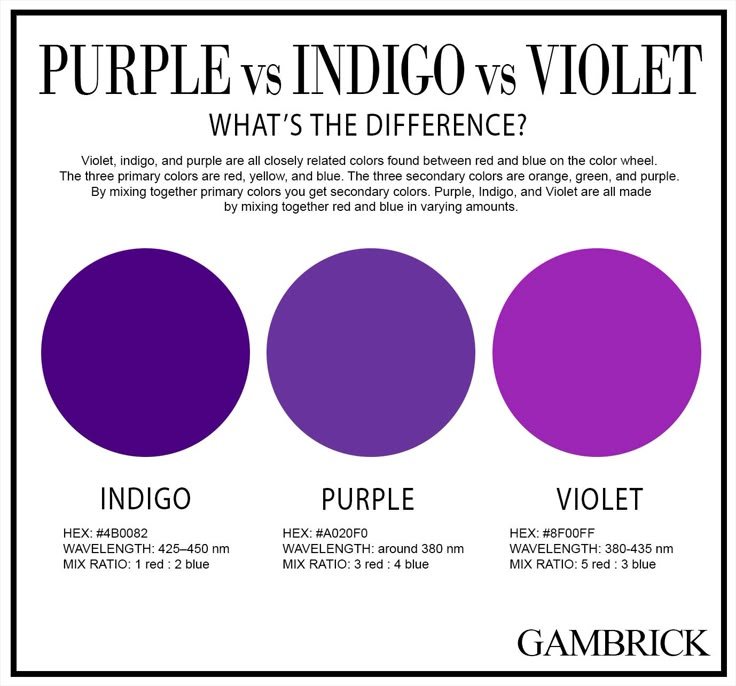
The difference between Violet, Indigo and Purple,
Frequently Asked Questions
What is the difference between indigo and violet colors?
Indigo and violet are both close to each other on the color spectrum, but they have distinct characteristics. Indigo is a deep blue-purple color, while violet is a lighter, more vibrant purple color. Indigo leans towards blue with a darker hue, while violet leans more towards red with a lighter tone.
How can I differentiate indigo from violet visually?
Visually, indigo appears as a darker shade with more blue undertones, resembling a deep midnight blue mixed with purple. On the other hand, violet is a brighter color with more pink or red undertones, giving it a lighter and more vibrant appearance.
Are indigo and violet considered separate colors in the color spectrum?
Yes, indigo and violet are distinct colors in the visible light spectrum. Indigo falls between blue and violet, while violet is closer to the end of the spectrum. In terms of wavelengths, indigo has a longer wavelength than violet, resulting in their unique positions in the spectrum.
Final Thoughts
In conclusion, distinguishing between indigo and violet can be challenging due to their similar appearance. Indigo lies between blue and violet on the color spectrum, while violet is closer to the red end. Understanding their differences can enhance color perception in various fields. So, next time you come across indigo vs violet, remember to pay attention to their positioning on the spectrum for accurate identification and appreciation.
Author

bruce-thomas@bigbusinessmagazine.com
Related Posts

What to Look for in a Compliance Management Service Provider in 2026
Regulations are changing faster than ever in 2026. They impact every part of a business—labour laws, taxation, data protection, environmental rules, and…

Delightful Nerd Ropes: A Sweet Journey Of Flavors
"Want to satisfy your sweet tooth with a quirky twist? Enter nerd ropes. These colorful, tangy treats have taken the candy world...
Read out allExploring The World Of The Milf Breeder
Yes, a 'milf breeder' does exist. They are rare, elusive, and shrouded in mystery. These individuals possess a unique ability to attract...
Read out all
Glamorous Bedazzled Wigs: Sparkle & Style Guide
Bedazzled wigs? Sparkle and glam effortlessly merge in this latest hair trend. Imagine strands drenched in shimmering crystals, catching every ray of…
Read out all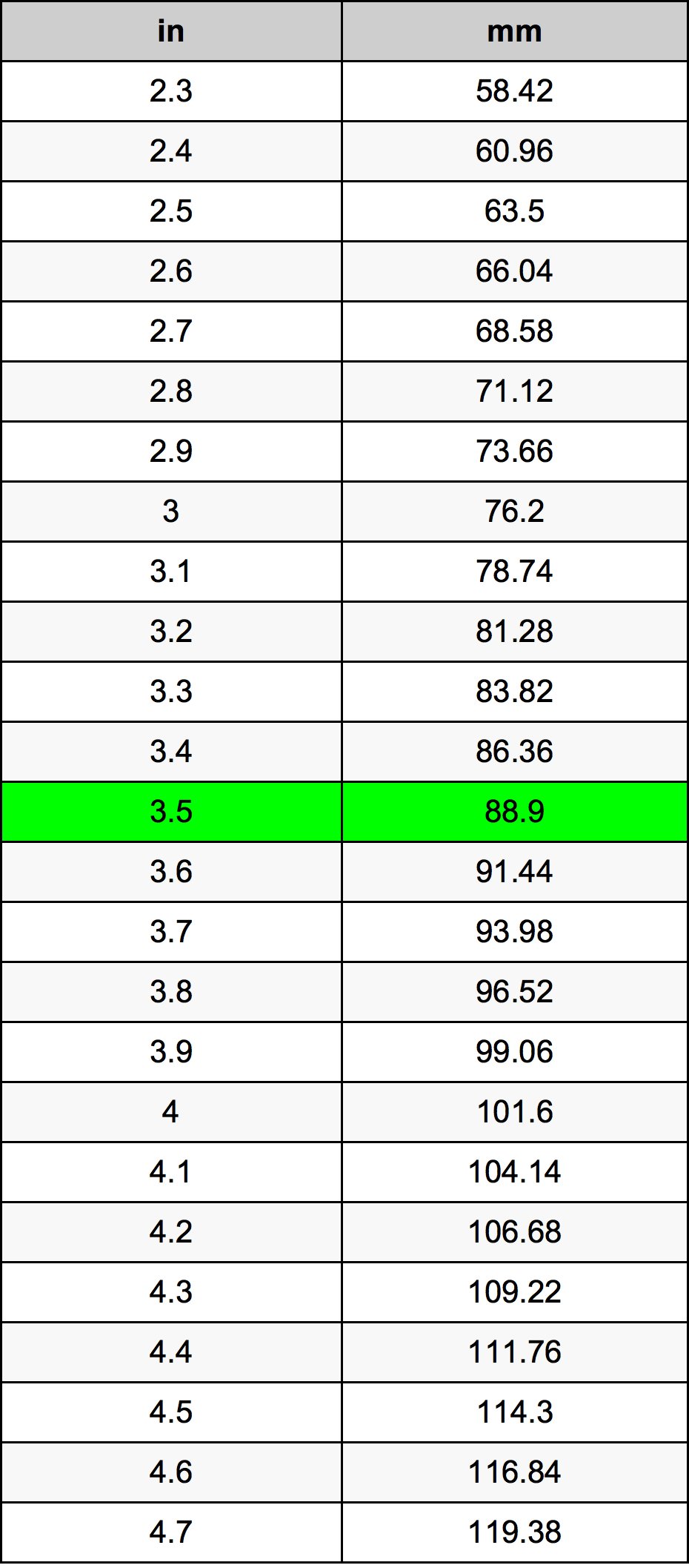
Converting 3.5Mm To Inches: Quick Guide
Curious about converting 3.5mm to inches? It's a common need, especially in the world of technology and measurements. Here's a quick tip:...
Read out all
Essential Guide To Piedmont Electric Services
Looking to power up your home with reliable energy solutions? Piedmont Electric has got you covered. Nestled in the heart of North...
Read out all