
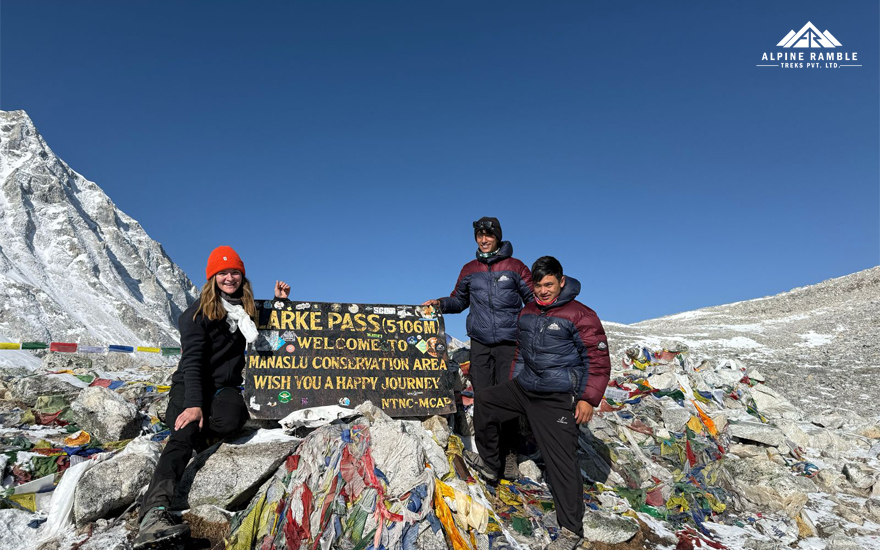
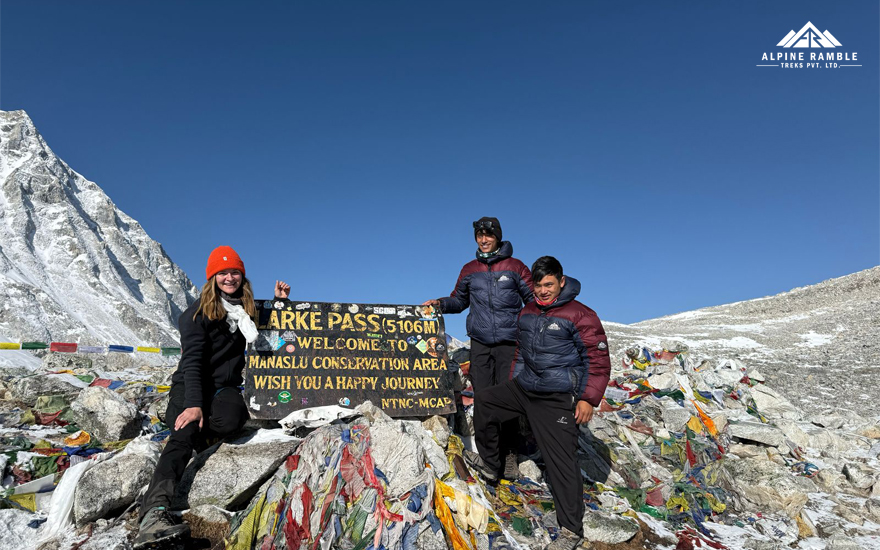
Success, sustenance, and lodging management are essential for a fun adventure along this seldom-traveled route. With fewer amenities than popular trails, considerate forethought eases basic needs, maximizing appreciation for the area’s allure. Here is guidance on nourishment and repose during your Manaslu adventure.
What to anticipate in terms of lodging
Motels vary with the aid of elevation and isolation, usually comprising traditional village resorts run by way of indigenous households. Some bigger hamlets, such as Machha Khola, Jagat, and Namrun, have nearer entry points that host lodges with private rooms including bathing facilities. Higher locations approaching Samagaun, Samdo, and Larke La Pass offer simpler structures often sharing toilets lacking heated water. Regardless of development level, all provide a mattress, bedding, and meals under one roof in a congenial setting.
Though double rooms dominate and heat sources remain shared, the welcoming hospitality outweighs basic conveniences. Experiencing life in these secluded high-mountain settlements deepens cultural immersion. With prudent forethought and pliancy, comfortable sustenance and relaxation heighten appreciation for Manaslu Circuit’s natural magnificence and people.
Food Alternatives Along the Manaslu Circuit Trek
Nourishment surprises along the remote Manaslu Circuit hike, considering the region’s isolation. Most lodges feature set menus grounded in the tried and true “Dal Bhat Power 24 Hour” principle, implying plentiful hearty rice, lentil, and vegetable simmered ideal for hikers. Additionally, one may discover noodles, fried rice, momos, crepes, chapati, eggs, and pasta dishes in many locations. Higher camps cater specially to tastes with options like honey treats or dried meat. Resourceful hikers find that creative nutrition is possible anywhere with basic provisions and camp cooking.
Food and Hydration on the Manaslu Circuit
The pleasant and diversity of meals decreased greatly with increasing elevation seeing since all provisions had to be carried by hand or beast of burden up the mountain. In villages located at lower altitudes, one might find an assortment of clean greens and occasionally meat, whilst higher settlements like Samdo should simply provide easy meals. Meat was typically avoided at high elevations as it often lacked proper refrigeration. Adhering to a plant-strong diet proved safer and more standard among experienced trekkers traversing the Manaslu Circuit. Motel also supplied tea, espresso, and pre-packaged snacks, but the fee rose dramatically the farther uphill one traveled. Staybuilt-ing hydrated becomes crucial, and boiled water may be integrated at most stops for a nominal rate. Some adventurers carried water purification tablets or a water bottle with a filter to reduce fees and reduce environmental impact.
Strategizing nutrients for energy and Acclimatization
Sustaining your body correctly is key to keeping strength levels and facilitating acclimatization to altitude at the Manaslu Circuit Trek Itinerary. Treks at elevation demanded higher calorie intake, so consuming a full plate, notwithstanding any lack of appetite from growing elevation, became essential. Foods like rice, potatoes, and pasta that had been rich in complicated carbs served as first-rate gasoline, whilst closely fried objects warranted moderation.
Kicking off every day with a hearty breakfast proved paramount for trekkers—oats, pancakes, and eggs crowned many menus to energy the hike beforehand. Maximum took a lunch intermission in trailside hamlets, enjoying small bites to recharge. Dinner was served, in which one slept, in which trekkers expected warm soup or garlic-laced broth to useful resource acclimatization. Nourishing oneself and staying hydrated during the course played a great role in staving off altitude illness and making allowance for full enjoyment of the scenic adventure.
Dealing with costs for food and accommodation
The Manaslu Circuit Trek needs vigilant consideration of expenses to keep away from unsightly surprises. Meal and accommodations costs vary depending on whether one independently arranges for a manual or books via a company. Generally, expect to pay around $30 to USD 50 daily for fundamental necessities if independently trekking the route. Some guided packages wrap meals and accommodations into a single upfront rate, rendering budgeting straightforward. However, when independently managing costs, be aware that prices inflate alongside elevation gain—a simple plate of rice and lentils may cost $3 at lower camps yet $7 or more near Larke Pass’ dizzying heights.
Amenities like hot showers, boiled drinking water, electricity for charging devices, and Wi-Fi (if accessible) require extra fees. It proves prudent to carry some smaller bills as ATMs are nonexistent en route. Careful budgeting allows delighting in the Manaslu Circuit, devoid of monetary concerns disrupting the experience mid-trek.
Lodging and Itinerary Flexibility on the Manaslu Circuit
Unlike busier trails, lodging planning along the Manaslu Circuit isn’t invariably crucial. Most trekkers find accommodation upon arrival in villages, especially beyond peak seasons. However, from March through May and September through November, well-known stops like Samagaun and Lho may swarm with hikers, making prior reservations advantageous. Booking ahead also heightens the odds of a superior room over dormitories or overflow lodging.
The Manaslu Circuit Itinerary affords adaptability to modify in step with conditions and endurance levels. This permits lengthening or truncating stops subject to daily vigor.
Sustainable picks for meals and lodging
With mounting visitors on the Manaslu Circuit trail, sustainability grows in significance. Shunning disposable water bottles and filtering the supply protects the landscape and communities welcoming visitors. Likewise, conserving heated showers and leftovers supports the area naturally and financially.
Supporting locally run inns also ensures expenditures benefit mountain denizens. Numerous family-managed operations rely on trekkers to fund schooling, medical care, and development in this remote region. The towering peaks that surround the valley communities have long imposed geographical isolation. Yet through hospitality, a spirit of shared strength has emerged.
Conclusion
Trekking the hard Manaslu Circuit demands strategic planning on the subject of lodging and nourishment. Recognizing upcoming necessities permits stress-free travel. Budgeting adequately and selecting accommodations wisely provides comfort through cold nights in welcoming mountain havens. Whether lodging under the eaves of a teahouse or nestled by a hearth in a village homestay, respite comes in community. Selecting hearty fare maintains energy over lengthy hiking days along high passes and through far valleys. Whether the route leads to towering Manaslu Base Camp, a steep ascent of Larke Los Angeles, or an enjoyable stay in a village’s pleasant teahouse, studies alongside the Manaslu Circuit revolve as an awful lot around local amicability, flavors, and memories as much as awe-inspiring scenery.
Author

bruce-thomas@bigbusinessmagazine.com