
Capital accumulation and income distribution are complex economic concepts that shape societies. Capital accumulation refers to the growth of assets over time, while income distribution pertains to how money is shared among individuals. Understanding the relationship between these two factors is crucial for addressing inequality and fostering economic growth. In this blog, we delve into the critical link between capital accumulation and income distribution, exploring its implications and potential solutions for a more equitable society. Let’s unravel the dynamics and significance of these interconnected elements.

Understanding the Impact of Capital Accumulation and Income Distribution
Welcome, young learners! Today, we are going to embark on an exciting journey to explore the fascinating world of capital accumulation and income distribution. Have you ever wondered why some people have lots of money while others struggle to make ends meet? Well, the concepts of capital accumulation and income distribution hold the key to unraveling this mystery. Let’s dive in and discover more about these important economic ideas in a fun and engaging way!
The Basics of Capital Accumulation
First things first, let’s talk about capital accumulation. Imagine you have a lemonade stand, and every time you sell a cup of lemonade, you save a portion of the money you make. Over time, as you continue to save and reinvest your earnings back into your lemonade stand by buying more lemons, sugar, and cups, you are accumulating capital. Capital is simply the assets or resources that are used to produce goods and services to make more money.
Now, think about big companies like Disney or Apple. They have lots of capital in the form of buildings, machinery, and technology that help them create products and services that people want to buy. The more capital a company accumulates, the more productive it can be, leading to higher profits and growth.
How Income Distribution Works
Next, let’s explore income distribution. Income is the money that people earn from their work or investments. Have you ever heard of the phrase “the rich get richer”? Well, income distribution refers to how the money earned in a society is divided among its people. Some people earn a lot of money, while others earn very little.
Income distribution is influenced by various factors such as education, skills, opportunities, and even luck. For example, doctors and lawyers usually earn more money than a cashier at a grocery store because they have specialized skills that are in high demand. However, it’s important to remember that not everyone has equal access to these opportunities, which can lead to unequal income distribution.
The Connection Between Capital Accumulation and Income Distribution
So, how do capital accumulation and income distribution relate to each other? Well, as we mentioned earlier, capital accumulation allows businesses to become more productive and profitable. This can lead to higher incomes for the owners of capital, such as company shareholders or successful entrepreneurs. On the other hand, workers who do not own capital may not see the same increase in their incomes, leading to a widening gap between the rich and the poor.
Think of it this way: if the owner of the lemonade stand keeps reinvesting the profits to buy more supplies and expand the business, they will likely make more money over time. However, if the lemonade stand workers are not paid fairly for their hard work and do not have the opportunity to accumulate their own capital, they may struggle to improve their financial situation.
The Impact on Society
Now, let’s consider how capital accumulation and income distribution can affect society as a whole. When there is a significant disparity in income levels, it can lead to social issues such as poverty, inequality, and lack of opportunity. In a fair and just society, everyone should have the chance to succeed and improve their standard of living.
Government policies play a crucial role in addressing these challenges by implementing measures to promote economic growth, create job opportunities, and ensure a more equitable distribution of income. By investing in education, healthcare, and social welfare programs, societies can help level the playing field and reduce the gap between the wealthy and the less fortunate.
As we wrap up our exploration of capital accumulation and income distribution, remember that these concepts are essential for understanding how wealth is created and shared in our world. By learning about the principles of capital accumulation and income distribution, you are taking an important step towards becoming a more informed and empowered citizen.
So, keep asking questions, seeking knowledge, and exploring the fascinating realms of economics. Who knows? You might just uncover the secrets to building a more prosperous and equitable society for all!
Thank you for joining me on this enlightening journey. Until next time, stay curious and keep on learning!
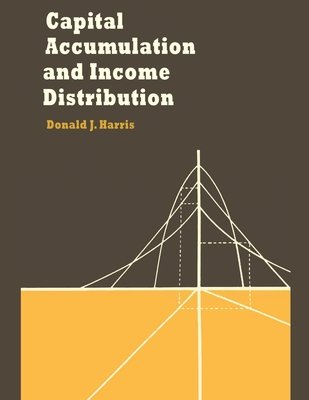
Donald J Harris – Book Capital Accumulation and Income Distribution Stanford, California 1978
Frequently Asked Questions
How does capital accumulation affect income distribution?
Capital accumulation refers to the process of gathering wealth in the form of assets such as land, buildings, machinery, or financial investments. When capital accumulates in the hands of a few individuals or groups, it can lead to income inequality. This is because those who own more capital assets tend to receive higher returns, while those with limited or no capital often rely on wages or salaries as their primary source of income. As a result, the gap between the wealthy and the less affluent can widen, impacting income distribution within a society.
What role does government policy play in shaping capital accumulation and income distribution?
Government policies can significantly influence both capital accumulation and income distribution. For example, tax policies that favor capital gains or provide subsidies for capital investment can encourage further accumulation of wealth among certain groups. On the other hand, progressive tax systems or social welfare programs can help redistribute income and wealth to reduce inequality. Regulations on monopolies, antitrust laws, and financial market oversight can also play a role in shaping how capital is accumulated and distributed within an economy.
How do financial markets contribute to capital accumulation and income inequality?
Financial markets play a crucial role in capital accumulation by providing avenues for individuals and businesses to invest and grow their wealth. However, these markets can also exacerbate income inequality. For instance, access to financial markets and investment opportunities may be limited to those with higher incomes or existing capital, further concentrating wealth among a select few. Additionally, speculative activities in financial markets can lead to wealth disparities, as gains from such activities often benefit those who are already wealthy, widening the income gap.
Final Thoughts
In summary, the relationship between capital accumulation and income distribution is crucial in understanding economic disparities. The concentration of wealth through capital accumulation often leads to widening income gaps within societies. Policies aimed at promoting a more equitable distribution of income can help mitigate the negative impacts of excessive capital accumulation. It is essential for policymakers and economists to continue exploring ways to address these issues to ensure a more sustainable and fair distribution of wealth.
Author

bruce-thomas@bigbusinessmagazine.com
Related Posts

What to Look for in a Compliance Management Service Provider in 2026
Regulations are changing faster than ever in 2026. They impact every part of a business—labour laws, taxation, data protection, environmental rules, and…

Delightful Nerd Ropes: A Sweet Journey Of Flavors
"Want to satisfy your sweet tooth with a quirky twist? Enter nerd ropes. These colorful, tangy treats have taken the candy world...
Read out allExploring The World Of The Milf Breeder
Yes, a 'milf breeder' does exist. They are rare, elusive, and shrouded in mystery. These individuals possess a unique ability to attract...
Read out all
Glamorous Bedazzled Wigs: Sparkle & Style Guide
Bedazzled wigs? Sparkle and glam effortlessly merge in this latest hair trend. Imagine strands drenched in shimmering crystals, catching every ray of…
Read out all
Converting 3.5Mm To Inches: Quick Guide
Curious about converting 3.5mm to inches? It's a common need, especially in the world of technology and measurements. Here's a quick tip:...
Read out all
Essential Guide To Piedmont Electric Services
Looking to power up your home with reliable energy solutions? Piedmont Electric has got you covered. Nestled in the heart of North...
Read out all